Location Search Results
We found 3599 results
At haart Bury St Edmunds, as part of the UK's largest independent estate agents, we help thousands of people buy, sell, let, or rent their homes through our network of over 100 branches. We offer a range of services, including financial & legal support, valuations, and more. As members of The Property Ombudsman, we're committed to providing top-quality customer service. Contact us today - we're available for a call until 10pm.

Civil Engineering
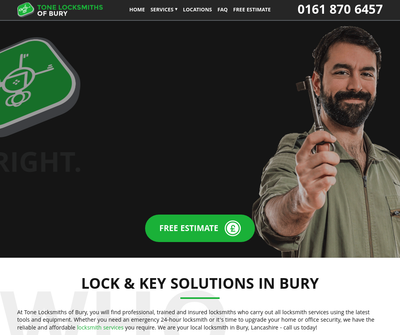
Tone Locksmiths of Bury is a well-established and experienced mobile locksmith service serving Bury residents and businesses 24/7.If you find yourself locked out, need to change the locks in your new home or want to bring up the security on your property, then give us a call today. We''ll happily talk you through the best options that satisfy your security needs and budget.
At Haybrook Letting Agents in Sheffield, we’re your local experts. Whether you’re letting or renting, our network across the region is here to support you every step of the way. We offer a full range of services, including financial & legal support, market appraisals, and more. As members of The Property Ombudsman and ARLA, we are committed to exceptional service. Haybrook is here for all your property needs in Yorkshire. Get in touch today—we’re available for calls until 10pm.
At haart Leicester, as part of the UK's largest independent estate agents, we help thousands of people buy, sell, let, or rent their homes through our network of over 100 branches. We offer a range of services, including financial & legal support, valuations, and more. As members of The Property Ombudsman, we're committed to providing top-quality customer service. Contact us today - we're available for a call until 10pm.
At haart Colchester, as part of the UK's largest independent estate agents, we help thousands of people buy, sell, let, or rent their homes through our network of over 100 branches. We offer a range of services, including financial & legal support, valuations, and more. As members of The Property Ombudsman, we're committed to providing top-quality customer service. Contact us today - we're available for a call until 10pm.
At haart Coventry, as part of the UK's largest independent estate agents, we help thousands of people buy, sell, let, or rent their homes through our network of over 100 branches. We offer a range of services, including financial & legal support, valuations, and more. As members of The Property Ombudsman, we're committed to providing top-quality customer service. Contact us today - we're available for a call until 10pm.